
How many restrooms does a county fair need?
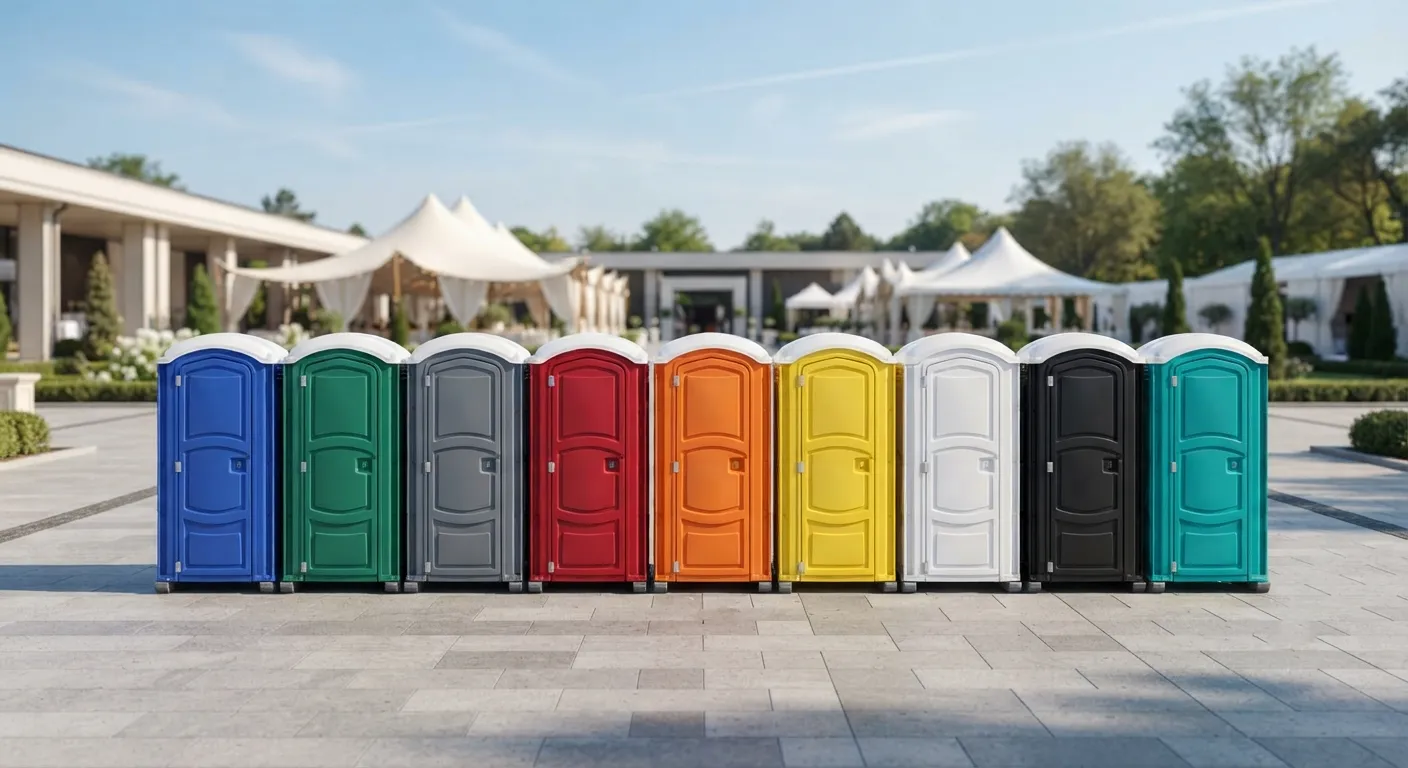
Start with attendance, not gut feel. There's no single fixed ratio for public fairs the way there is for a jobsite under OSHA 1926.51(c), but the construction table is still the best reference point for a family event with steady foot traffic: one facility for 20 people, then one seat and one urinal per 40 as the crowd grows past that. A fairground pulling a few thousand visitors over a weekend needs that math scaled up fast, and it needs to account for peak hours around meal times and grandstand shows, not just the daily average. Amherst Porta Pros walks the grounds with fair organizers before quoting, because a midway packed against a beer tent needs a different cluster than a quiet 4-H barn. Most fair layouts mix standard portable toilet rental units for general use with a deluxe flushable porta potty option near VIP or sponsor areas. If you're not sure where to start, the how many porta potties do I need guide walks through the same math we use on-site, and the porta potty rental checklist covers what to confirm before delivery day in Amherst.
Where should restrooms go on a fairground?
Close to the crowd, away from food, and reachable by a service truck. That's the whole rule, but fairgrounds make it tricky because of livestock barns, midway rides and grandstand seating pulling people in different directions at once. Amherst Porta Pros clusters units near high-traffic paths: entrances, the midway, the grandstand exit, and food court perimeters, while keeping a minimum 36 inch clear route open per ADA Standards section 403.5.1 so wheelchairs and strollers both move freely. Every cluster gets at least one accessible unit, and every accessible unit needs a 60 inch turning circle in front of it under ADA Standards section 304.3.1. Ground surfaces matter too. ADA Standards section 302.1 calls for stable, firm, slip-resistant footing, which rules out setting units on loose gravel or soft turf without matting. For septic service or grease interceptor pumping tied to a fair's food vendor row, see grease trap pumping and septic pumping service. Larger fairs sometimes add a restroom trailer rental near the grandstand for a nicer option, and the full porta potty placement guide covers clearance rules for service trucks in more depth.
Do county fair restrooms need handwashing stations?
Yes, especially near food and animal areas. A fair with a 4-H barn or petting zoo puts people in direct contact with livestock, and a handwashing station rental placed at barn exits catches that traffic before it reaches the food court. Under 29 CFR 1910.141(d)(2), any washing facility needs actual soap and a way to dry hands; hand sanitizer alone doesn't meet that standard, though a hand sanitizer station rental works fine as a supplement near ride queues. If any part of the fair involves paint booths, craft demos with coatings, or pesticide use near garden exhibits, OSHA 1926.51(f)(1) requires washing facilities specifically for that contaminant exposure. Amherst Porta Pros typically services standing units on a weekly cycle per the ANSI/PSAI Z4.3 baseline, then tightens that schedule during a multi-day fair when a single location sees thousands of uses in 72 hours. For a farm-heavy event, farm and agricultural restrooms covers barn-specific placement, and portable sink rental is worth adding wherever food is prepped on-site rather than pre-packaged.
Fair restroom package pricing
| Unit | Day | Week | Weekend |
|---|---|---|---|
| Standard unit | $100-$350 | $130-$500 | $125-$400 |
| ADA-accessible | $200-$400 | $185-$240 | $199-$300 |
| Deluxe flushable | $85-$1,200 | $150-$290 | see quote |
A multi-day county fair usually books on the standard event rate, which for portable toilets runs $200 to $800 per unit depending on cluster size and service frequency, rather than the daily rate. Full detail on how event pricing differs from a single-day job site rental lives on porta potty rental cost, and daily-only bookings are broken out on porta potty rental per day. Fairs running longer than a month, which is rare but happens with seasonal grounds leases, should check monthly porta potty rental instead.
How far in advance should I book fair restrooms?
Book as soon as your fair dates are set, ideally 60 to 90 days out. Amherst fairgrounds compete for the same trailers and ADA units other events use that same weekend, and Amherst Porta Pros locks fleet by request date, not by event date.
Can I get a restroom trailer instead of standard units?
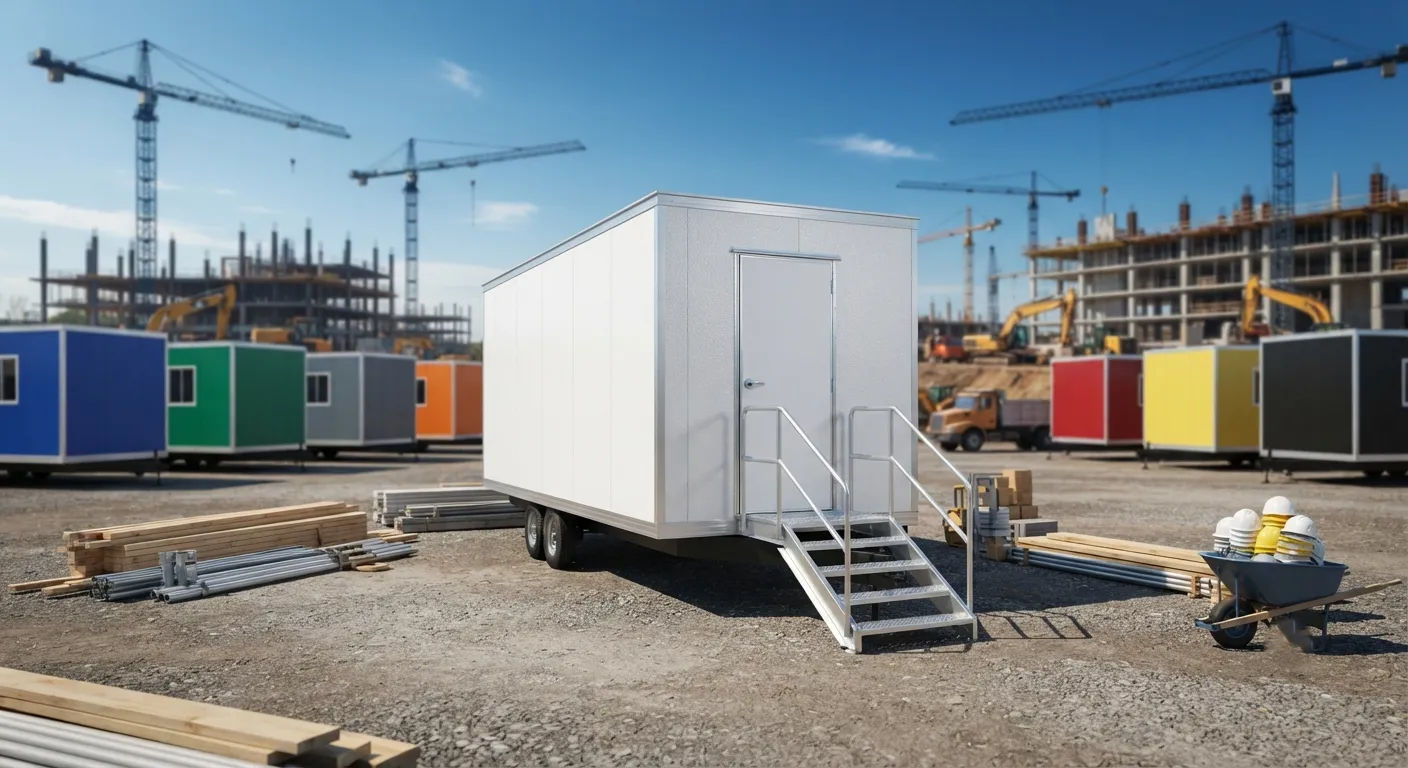
Yes. A 2 stall restroom trailer or 4 stall restroom trailer works well for grandstand areas or VIP sections. Larger fairs sometimes need an 8 stall restroom trailer near the main gate.
Do I need a permit for fair restrooms in Amherst?
Placement in a public right of way or on municipal fairground property needs confirming with the city; check porta potty permit requirements before finalizing your site plan.
What if a unit runs out of service mid-fair?
Call for emergency service. Emergency porta potty rental covers same-window swaps during a live event so a failed unit doesn't sit unusable through a fair weekend.
How does fair restroom planning compare to a festival?
Similar math, different flow. Festival restroom rental and county fair restrooms both scale off attendance, but fairs add livestock barns and 4-H areas that festivals usually skip entirely.
Next step
Get a delivery date
Tell us the address, the dates and the headcount. We size the order and confirm the route.