
What Are the Warning Signs of a Failing Septic Tank?
Start with the drains. If sinks, tubs, and toilets all drain slower than usual at the same time, the tank is likely full or the leach field is struggling. Gurgling noises from pipes after a flush point the same direction. Standing water or a soggy, unusually green patch over the tank or drain field is another red flag, especially in Amherst yards where clay soil already drains slowly. A sewage odor near the tank lid or drain field, indoors or out, should never get ignored. Multiple slow fixtures at once usually means the tank, not one pipe. If you are shopping for a fix, septic pumping service pricing and septic tank cleaning both help once the tank is confirmed full. For homes without immediate pump access, a holding tank rental can bridge the gap. Sewage backing into the lowest drain in the house, usually a basement floor drain, means the system is already overwhelmed and needs emergency septic service the same day, not a scheduled visit next week.
How Often Should a Septic Tank Be Pumped?
A 1,000 gallon residential tank is typically pumped every 3 to 5 years, and the exact interval depends on tank size and household size. A bigger household producing more wastewater pushes that closer to 3 years; a smaller one, or a bigger tank, can stretch toward 5. Waiting past that window is what turns a routine pump into a warning-sign emergency. Amherst households on older systems, or homes with garbage disposals running constantly, tend to fill faster than the average. If you're unsure where your home sits in that cycle, how often to pump a septic tank walks through the math by household size. Restaurants and commercial kitchens follow a different clock entirely: a grease interceptor gets pumped once fats, oils, grease, and solids reach 25 percent of the liquid depth, which is a volume threshold, not a calendar date. That service falls under grease trap pumping rather than standard residential septic work, and it is worth checking on a separate schedule if you run a commercial kitchen anywhere in Amherst.

Can I Ignore a Septic Tank Warning Sign for a While?
No. Ignoring slow drains or a sewage smell almost always turns a same-day fix into a full system failure. A tank that backs up into the house means solids have reached the outlet, and at that point the leach field may already be compromised, which is a far more expensive repair than a pump-out. Amherst properties on well water face an added risk: a failing drain field can push contaminants toward the water table faster than most people expect. If a backup happens after hours or on a weekend, emergency septic service is built for exactly that call. Renting a holding tank rental unit temporarily can keep a household functioning while a crew clears the blockage or schedules field repair. For anyone building new or renovating, pairing septic awareness with a porta potty rental checklist or a stopgap standard porta potty rental keeps a jobsite or household running while the real fix happens.

Where Can I Get Septic Help Near Amherst?
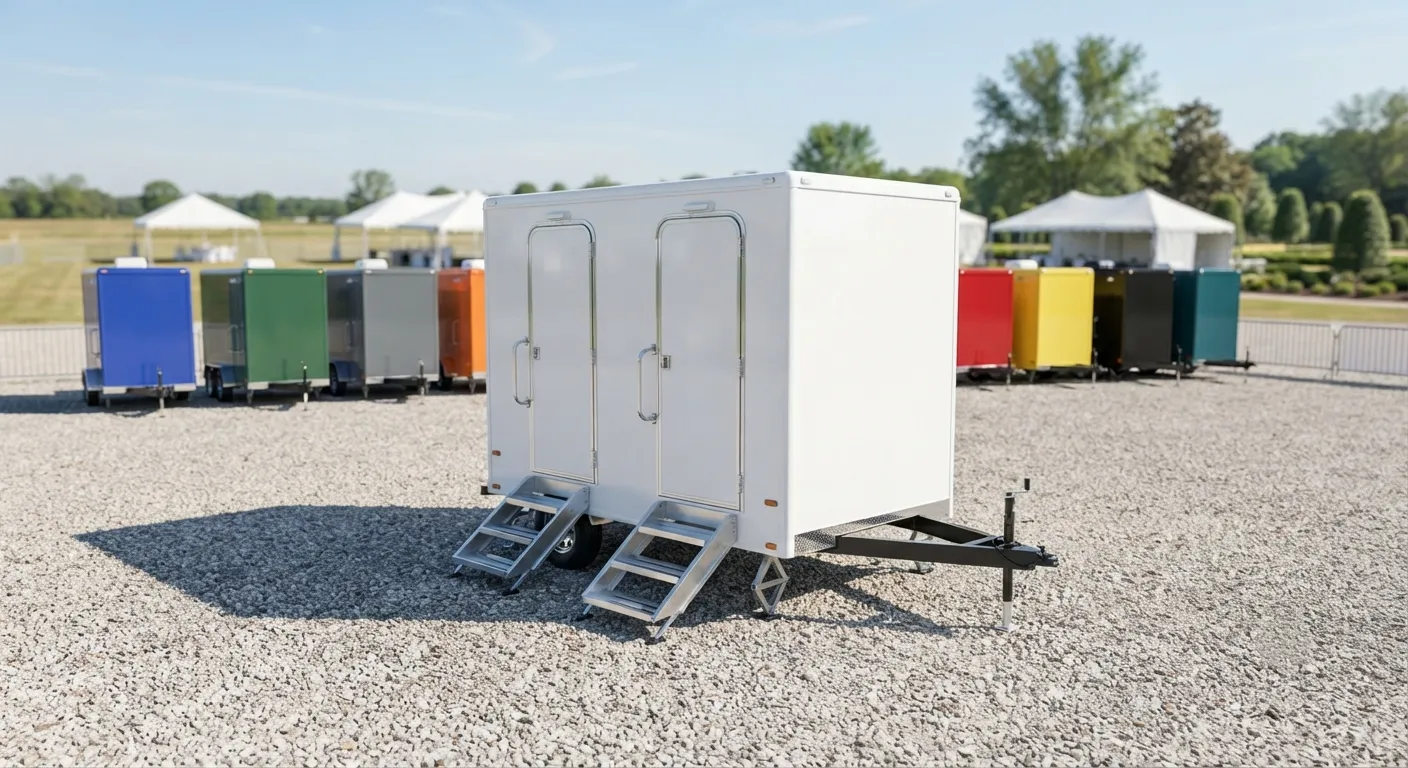
Amherst Porta Pros covers septic pumping and related sanitation work across the city, and the same crews respond in Tonawanda, roughly 9.0 miles west, and North Tonawanda, about 9.3 miles northwest. Grand Island sits about 12.9 miles west and Wheatfield about 10.8 miles northwest, both within normal service range for a scheduled pump-out or an emergency call. For property owners weighing a full-service comparison, septic tank pumping cost breaks down what a standard visit runs, and septic pumping service is the main hub page for scheduling. Anyone managing a broader project, from a home renovation to an outdoor event, may also need supplemental sanitation: portable toilet rental, portable restroom rental, or an ADA accessible porta potty for accessibility compliance under ADA Standards 213.2, which requires that at least 5 percent of clustered single-user units, and never fewer than one, be accessible. The full service areas page lists every city and town covered from the Amherst base.
What does a gurgling pipe actually mean?
Air is getting trapped because wastewater cannot drain freely, usually because the tank is full or the line downstream is partially blocked. It is one of the earliest warning signs and often shows up before any smell or slow drain does. Catching it early avoids a backup.
Is a bad smell near the tank always a septic problem?
Almost always, yes. A sewage odor near the tank lid or drain field means gas is escaping through a crack, loose lid, or saturated soil. It rarely resolves on its own and should trigger a pump-out inspection soon, not a wait-and-see approach.
How fast can a septic problem turn into an emergency?
Faster than most homeowners expect once solids reach the outlet pipe. A slow drain can become a full basement backup within days if the tank stays ignored. That is the gap emergency septic service is built to close.
Does a grease trap follow the same warning signs as a home septic tank?
Not exactly. Grease interceptors are pumped once fats, oils, grease, and solids reach 25 percent of the liquid depth, a volume trigger rather than a time-based one. Restaurants should track that threshold directly rather than guessing on a fixed schedule.
Can I keep my household running while septic repairs happen?
Yes. A short-term holding tank rental or a temporary portable toilet rental keeps water and restroom access working while a crew repairs the tank or drain field. Most Amherst households only need this for a few days.
Next step
Get a delivery date
Tell us the address, the dates and the headcount. We size the order and confirm the route.